
- Home
- Dog Barking Excessively
Having a dog that is aggressive with guests can completely change the way you live in your own home. You may find yourself putting your dog away before friends arrive, warning visitors not to move too quickly, or avoiding inviting people over because you are worried about what could happen.
119+
Yelp Reviews
132+
Google Reviews
6
Certified Trainers
119+
Yelp reviews
132+
Google Reviews
6
Certified Trainers

119+ reviews

132+ reviews
6
Certified Trainers
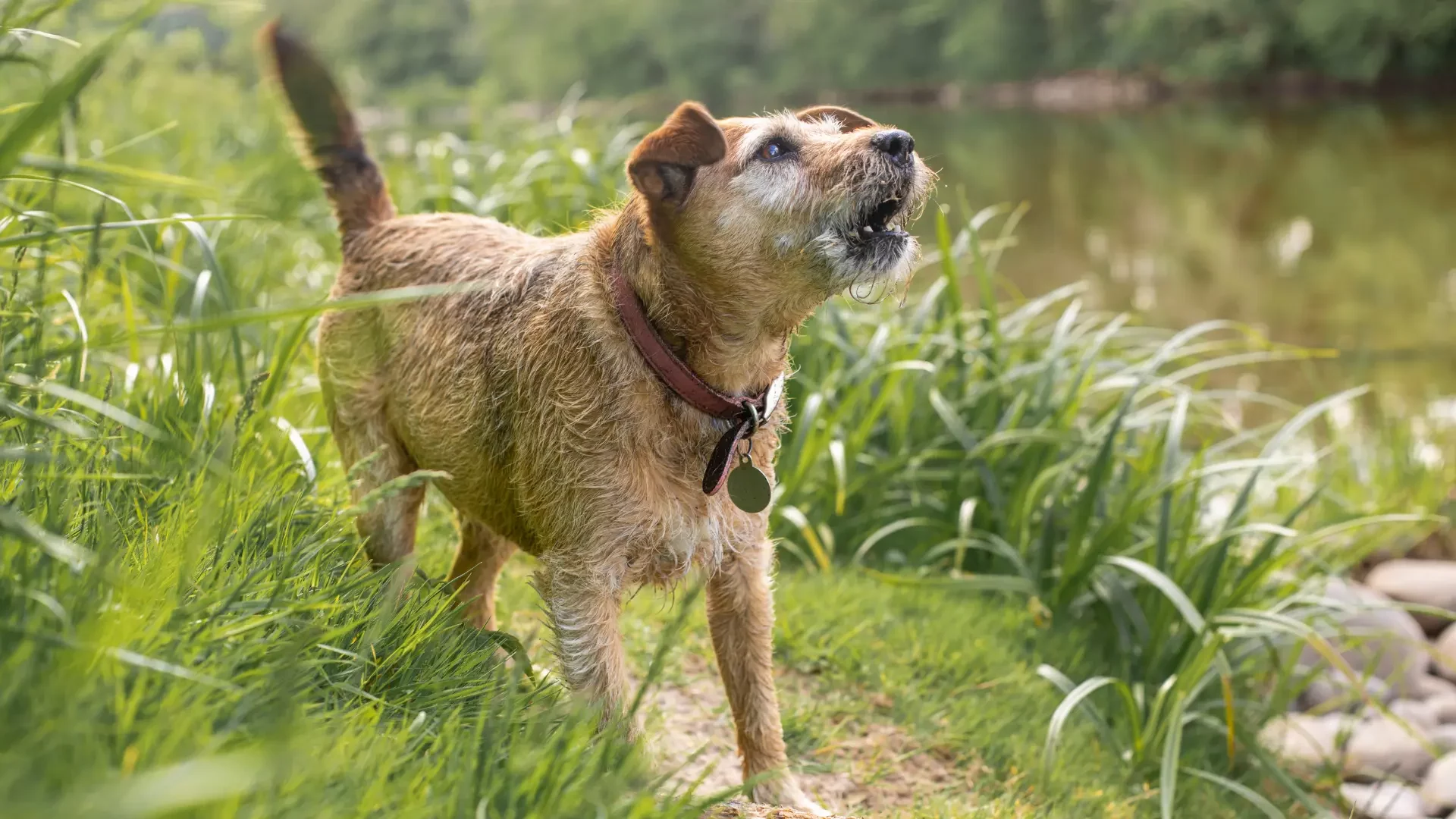
You may be dealing with complaints from neighbors, interrupted sleep, or the frustration of feeling like nothing seems to quiet your dog. If you’ve tried telling them “quiet,” distracting them, or even considered a bark collar, you’ve probably already realized the barking keeps coming back.
The reason is simple. Excessive barking is rarely the real problem. It’s usually a symptom of something else.
At Topanga Pet Resort, we help dog owners throughout Los Angeles identify why their dog won’t stop barking and create customized training plans that address the underlying cause instead of temporarily suppressing the behavior.
The Six Real Causes of Excessive Barking
No two dogs bark for exactly the same reason. Understanding your dog’s motivation is the first step toward lasting improvement.
Boredom and Lack of Mental Stimulation
Many dogs simply have too much unused energy. Working breeds, young dogs, and highly intelligent breeds often begin barking because they are under-stimulated. If your dog spends most of the day without enough exercise, enrichment, or interaction, barking becomes a way to release frustration. Signs include: barking during quiet parts of the day, pacing around windows, chewing or destructive behaviors, difficulty settling down indoors
Alarm Barking
Some dogs feel responsible for announcing everything they hear. A delivery driver, someone walking past the house, a closing car door, or another dog outside can all trigger repeated barking. Alarm barking often becomes stronger over time because the dog believes their barking successfully made the “threat” leave.
Separation Anxiety
If your dog only barks when left alone, anxiety may be the underlying issue. Common signs include: barking immediately after you leave, whining and pacing, destructive behavior near doors or windows, attempts to escape confinement Dogs experiencing separation anxiety require a different training approach than dogs barking out of boredom.
Demand Barking
Some dogs quickly learn that barking gets results. They bark for: attention, food, toys, walks, playtime. If barking consistently earns what they want, the behavior becomes self-rewarding.
Territorial Barking
Many dogs naturally want to protect their home. Territorial barking usually happens when someone approaches the property, knocks on the door, or enters the home. While some alert barking is normal, excessive territorial barking often needs structured training before it escalates into more serious behavioral issues.
Reactivity
Reactive dogs bark because they become emotionally overwhelmed. Triggers may include: unfamiliar dogs, bicycles, runners, children, loud noises, visitors. These dogs aren’t trying to be difficult. They’re struggling to regulate their emotions in stimulating situations.
How to Identify Which Type of Barking Your Dog Is Doing
Many owners focus on when the barking happens.
Professional trainers focus on why it happens.
Questions We Ask During an Evaluation
To understand excessive barking, we look at patterns such as:
What happens immediately before the barking starts?
Does your dog bark only inside or outside?
Does barking happen when you're home, away, or both?
Is your dog relaxed between barking episodes?
How quickly does your dog recover after the trigger disappears?
The answers help determine whether the behavior is driven by anxiety, excitement, territorial instincts, fear, frustration, or learned habits.
Without identifying the trigger, even the best training techniques often fail.
Why Bark Collars Rarely Fix the Root Issue
Many owners search for a quick solution and wonder whether bark collars are the answer.
While some devices reduce barking temporarily, they rarely solve the emotional reason behind the behavior.
Suppression Is Not the Same as Resolution
Imagine feeling anxious every time someone knocks on your front door but being unable to express it.
That’s what many bark collars do.
Instead of helping your dog feel calmer, they simply discourage vocalizing.
In some cases, this can increase stress or frustration because the underlying trigger still exists.
Long-term improvement comes from teaching your dog how to respond differently, not simply making barking uncomfortable.
Quick Management Tools That Actually Help
While training addresses long-term behavior, management can reduce barking immediately.
Block Visual Triggers
If your dog constantly watches the street through windows, consider using privacy film or closing blinds during high-traffic periods.
Removing visual stimulation often reduces barking dramatically.
Increase Daily Enrichment
Many barking problems improve when dogs receive:
- puzzle toys
- scent games
- obedience sessions
- structured walks
- interactive play
Mental exercise is often just as important as physical exercise.
Teach an Alternative Behavior
Rather than repeatedly saying “quiet,” teach your dog another job.
Examples include:
- going to a designated mat
- making eye contact
- sitting calmly
- relaxing on cue
Giving your dog something productive to do is often more effective than trying to stop a behavior directly.
Why Los Angeles Dog Owners Choose Topanga Pet Resort
50+
50+ Years of Combined Experience
6
Certified trainers
5–6
Hours of Supervised Play
6.5
Acres to explore
our team understands that excessive barking is rarely “just barking.”
Located in the peaceful hills of Topanga Canyon, we provide dog training and boarding for families throughout Los Angeles, Woodland Hills, Calabasas, Malibu, Santa Monica, Pacific Palisades, Sherman Oaks, Westwood, and nearby communities.
Our structured environment gives dogs the opportunity to practice calm behavior while receiving individualized guidance from experienced trainers.
With more than 50 years of combined experience, 6 certified trainers, and a large indoor and outdoor training environment with scenic Los Angeles country views, we combine professional behavior training with premium care, daily enrichment, and 5 to 6 hours of supervised activity to help dogs develop healthier, quieter habits that last beyond the training program.
When Professional Training Is Needed
Some barking issues can be improved at home.
Others require professional guidance.
You should consider a behavior consultation if:
- your dog barks for hours every day
- neighbors have filed complaints
- barking is combined with lunging or aggression
- your dog becomes impossible to redirect
- you’ve already tried multiple training methods without success
Professional training identifies the underlying cause and creates a step-by-step plan based on your dog’s temperament and daily routine.
The Long-Term Solution for Chronic Barking
Dogs rarely stop barking because they become tired of barking.
They stop when their emotional response changes.
Successful behavior modification usually combines:
Consistent Training
Dogs learn new habits through repetition and predictable routines.
Lifestyle Adjustments
Exercise, enrichment, socialization, and structured daily schedules all influence barking behavior.
Owner Coaching
Your dog’s progress depends on consistency at home. Professional trainers help you understand not only what to do, but why it works.
Ready to Help Your Dog Stop Barking Excessively?
Living with constant barking doesn't have to become your new normal.
Whether your dog is barking out of boredom, anxiety, territorial behavior, or reactivity, identifying the real cause is the first step toward meaningful improvement.
Schedule a behavior consultation with Topanga Pet Resort, and let our experienced trainers build a customized plan that helps your dog become calmer, more confident, and easier to live with.
Comprehensive dog boarding & training at Topanga Pet Resort
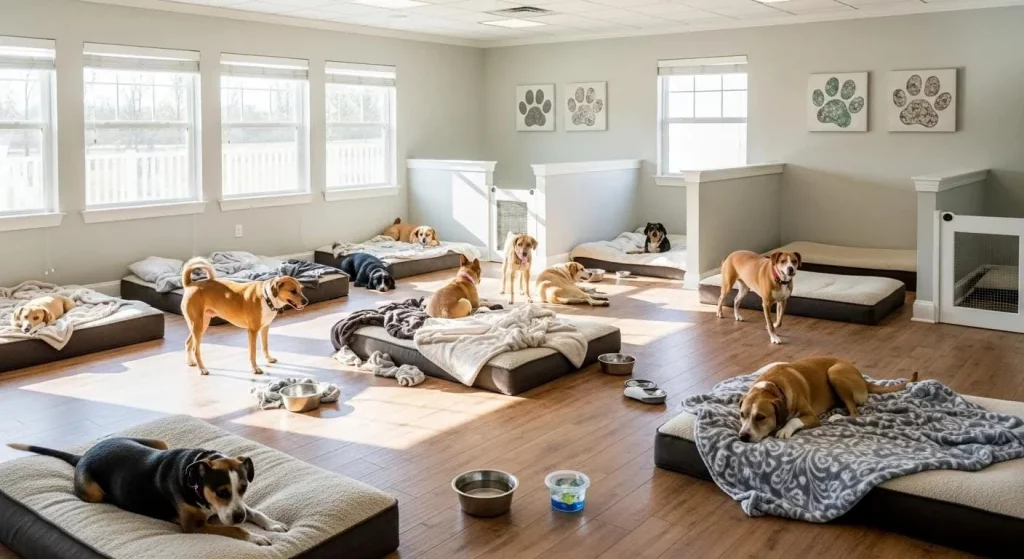
Dog Boarding
Offers a comfortable and safe overnight stay with attentive 24/7 care to make your pet feel right at home.
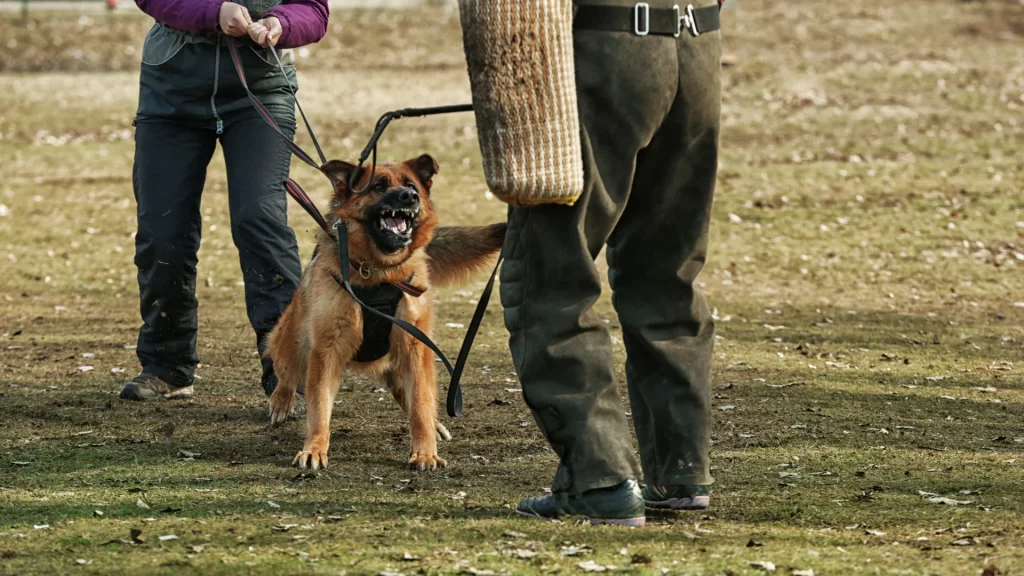
Board & Train
Combines immersive boarding with structured training to instill reliable real-world obedience and good habits.

Puppy Training
Covers housebreaking, biting, and basic obedience to build a strong foundation for a well-behaved dog.
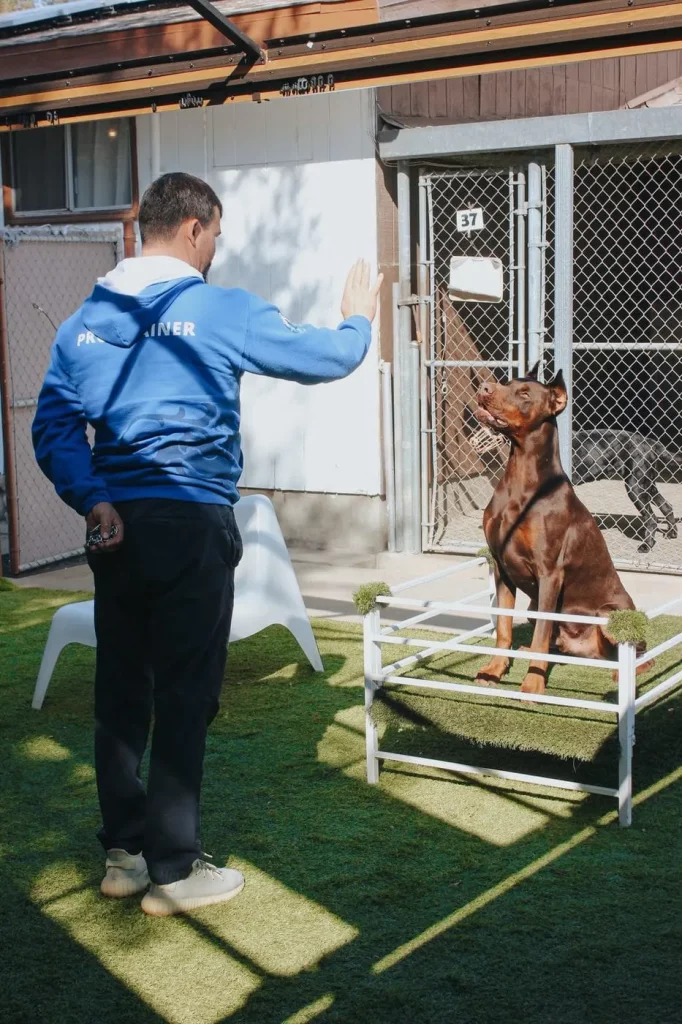
Obedience & Behavior Modification
Provides expert behavioral modification to safely manage triggers, eliminate dangerous reactivity, and build reliable control in public spaces.
Daycare / Grooming
Provides supervised daytime play and professional grooming services to keep your dog happy and clean.
Dog Boarding
Enjoy comfortable overnight boarding with attentive care, private accommodations, and plenty of supervised activity.
Board & Train
Combines comfortable boarding with structured training to build reliable real-world obedience and better everyday habits.
Puppy Training
Builds a strong foundation through house training, bite inhibition, socialization, and basic obedience.
Obedience & Behavior Modification
Addresses reactivity and challenging behaviors through structured training, trigger management, and reliable real-world obedience.
Daycare & Grooming
Combines supervised daytime activity with professional grooming and bathing services to keep your dog comfortable, active, and well cared for.
What Dog Parents Are Saying
EXCELLENTTrustindex verifies that the original source of the review is Google. This is the best dog camp my dogs love coming here. The staff are very professional.Posted on GoogleTrustindex verifies that the original source of the review is Google. What a place! My wife and I visited a dear friend's dog at Topanga Pet Resort this past weekend. When we encountered Ivy, a precious 2 year old Pitty, she seemed very relaxed and well fed. We found the boarding facility to truly feel like a resort. The surrounding trees and ample greenery make the place very serene. All the dogs that were being housed and those who were coming in for training seemed genuinely happy to be there. Additionally, we met a couple of the trainers during our visit there and they were extremely knowledgeable and compassionate towards their canine friends. If you need a place to take your furry friend, Topanga Pet Resort is the place!Posted on GoogleTrustindex verifies that the original source of the review is Google. Our experience with Topanga Pet Resort was absolutely amazing. We were thoroughly impressed with how they handled everything from start to finish. The staff was kind, professional, attentive, and genuinely cared about our pet’s comfort and well-being. The facility was clean, organized, and gave us peace of mind the entire time. Communication was excellent, and it was clear our pet was being treated with love and attention. It’s hard to find a place you can fully trust with your fur baby, but this team truly exceeded expectations. We will definitely be returning and highly recommend them to anyone looking for quality pet care!Posted on GoogleTrustindex verifies that the original source of the review is Google. This is my 2nd time using them. First time was for 6 weeks and it went so well I went back for a 3 week stay for my two dogs. They are great at training puppy's, taking care of my big dog, and most importantly training my wife on how to walk a dog ;)Posted on GoogleTrustindex verifies that the original source of the review is Google. We boarded our first dog for over 15 years when we were out of town. We're excited to begin boarding/ training there with our new rescue puppy.Posted on GoogleTrustindex verifies that the original source of the review is Google. They did such a great job! My daughters dog had been so consistent since his training! Well worth the money!Posted on GoogleTrustindex verifies that the original source of the review is Google. Amazing place to take your pet! We met with them for a meet and greet since our dog is pretty nervous around new people and has never been left, but they did everything they could to make sure he was comfortable, didn’t push his boundaries and took their time thoroughly answering all of our questions! They do a great job of meeting every individual pup’s needs and have excellent trainers on the property at all times! I can definitely feel good about bringing my dog here for boarding ❤️ prices are also very reasonable and they give lots of outside timePosted on GoogleTrustindex verifies that the original source of the review is Google. Topanga Pet Resort — absolute love🥰 I can say with full confidence: these people REALLY know what they’re doing. I’ve left my dog Chuck there several times, and every time he comes home happy, calm, and full of good energy — like he spent time with friends, not just in a boarding facility. They don’t just watch the dogs, they train them, guide them, and do it with heart. You can feel how much respect and care they give to every animal. We also use their grooming regularly, and Chuck always comes out looking like a handsome glossy boy — fresh, clean, and proud of himself. I fully trust them. This place is honestly the best thing I’ve found for my dog. Thank you for caring for Chuck as if he were your own. ❤️❤️❤️Posted on GoogleTrustindex verifies that the original source of the review is Google. We have had our dog stay here for several week long stays and have had good experiences! They have a large outdoor area for the dogs to play. They also can accommodate any food requirements and special servicesVerified by TrustindexTrustindex verified badge is the Universal Symbol of Trust. Only the greatest companies can get the verified badge who has a review score above 4.5, based on customer reviews over the past 12 months. Read more
See Exactly What Boarding & Training Costs
Boarding rates, Board & Train packages, and add-ons — all clearly outlined.
Frequently Asked Questions
Everything you need to know before your dog’s first stay or Training Assessment.
Have questions? Give us a call
+1 888-818-1622
How can I stay updated on my dog’s progress and well-being during their stay?
You’re always welcome to reach out by phone or email to ask how your pup is doing. We’re happy to provide updates during operating hours.
📸 Photo & Video Updates are also available upon request as a $5/day add-on. This includes a selection of photos or videos to give you a glimpse of your dog’s experience.
What types of dog training programs do you offer?
We offer a wide range of training programs designed to meet your dog’s age, temperament, and behavioral needs. These include:
- Puppy Training – early development, potty training, socialization
- Basic Obedience – leash manners, sit, stay, recall, and household behavior
- Advanced Obedience – off-leash control, focus in high-distraction environments
- Behavior Modification – reactivity, aggression, anxiety, and impulse control
- Specialty Training – protection, service dog preparation, and more
All programs begin with a personalized evaluation ($120) to help build the most effective plan for your dog.
What’s included in the Board & Train program?
- Daily 3 training sessions with our certified trainers
- Private room & calm boarding environment
- Daily structure, socialization, and enrichment in outdoor yard
- Free group class every 5 days
Customized plan based on your dog’s needs
What is included in regular boarding?
Our regular boarding provides a safe, spacious, and enriching environment for your dog, including:
- Private indoor room with AC
- Supervised play in our outdoor yards
- Daily feeding (owner provides food)
- Personalized care from trained staff
- Peaceful nature setting on 6.5 acres
What should I bring when boarding my dog?
To ensure your pup is comfortable, please bring:
- Pre-measured, labeled food for the duration of their stay
- Any necessary medications, clearly labeled with instructions
- If you want your pup to have something that smells like home during their stay you can bring an old t-shirt or any item that you don`t care about losing, as we do not guarantee giving back any belongings.
We provide bedding, bowls, and toys
Note: We do not allow personal items like beds, blankets, or toys to avoid loss or damage.
Are there specific vaccination requirements for boarding and training?
Yes. For the safety of all dogs in our care, we require proof of up-to-date vaccinations:
- Rabies
- DHPP (Distemper, Hepatitis, Parvovirus, Parainfluenza)
- Bordetella (Kennel Cough)
- Leptospirosis
- Canine Influenza
Please bring a copy or email us your vaccination records prior to your dog’s stay.
What are the boarding rates?
Rates are based on your dog’s weight:
1–29 lbs: $75/night
30–99 lbs: $85/night
100+ lbs: $90/night
Additional fees (if applicable):
Not neutered/spayed: +$10/night
Private boarding (solo yard): +$30/night
Holiday rate: +$11/night
Late pickup fee after 2 PM
What is the Board & Train program?
Our bootcamp-style training program allows your dog to stay with us and receive 3–4 personalized training sessions daily focused on your goals. It’s ideal for behavior issues, obedience, leash manners, or aggression rehab.
Do I need to do anything before enrolling?
We recommend starting with a First Training Session (FTS) – a 1-hour evaluation with one of our trainers for $120. This helps us assess your dog and recommend the best program length.
Have Questions? Give Us a Call
+1 888-818-1622
Ready to Start Your Dog’s Training Program?
Have questions about our training programs? Fill out the form below and our team will get back to you shortly.