
- Home
- Dog Resource Guarding
Resource Guarding in Dogs: Why It Happens and How to Fix It Safely
If your dog growls when you approach their food bowl, snaps when someone reaches for a toy, or becomes tense when another person comes near their favorite resting spot, you’re seeing behavior that should be taken seriously.
Dog resource guarding can start with subtle signs, such as freezing, turning away, or stiffening over an object. Without appropriate management and training, those warnings can progress to growling, snapping, or biting.
That doesn’t mean your dog is “bad,” and it doesn’t automatically mean your dog is aggressive in every situation. Resource guarding is a specific behavior with specific triggers, and understanding those triggers is the first step toward changing it safely.
At Topanga Pet Resort, we help dog owners throughout Los Angeles address challenging behaviors with individualized training plans designed around the dog’s temperament, history, and level of risk.
119+
Yelp Reviews
132+
Google Reviews
6
Certified Trainers
119+
Yelp reviews
132+
Google Reviews
6
Certified Trainers

119+ reviews

Based on 132 Google Reviews
6
Certified Trainers

Topanga Pet Resort provides individualized dog training and boarding in the peaceful hills of Topanga Canyon.
We serve dog owners throughout Los Angeles, including Woodland Hills, Calabasas, Malibu, Santa Monica, Pacific Palisades, Sherman Oaks, Westwood, and surrounding communities.
With 563 happy clients, 627 trained dogs, 12 professionals, and 9+ awards, our team brings substantial experience to challenging behavior cases.
With more than 50 years of combined experience and 6 certified trainers, we provide a structured environment where dogs can work on obedience, impulse control, confidence, and appropriate responses under professional supervision. Our large indoor and outdoor facility, scenic Los Angeles country setting, premium care, and 5 to 6 hours of supervised activity allow us to create consistent routines while tailoring training to each dog’s individual needs.
For resource guarding, the priority is not simply getting a dog to surrender an object.
It’s creating safer behavior, reducing the need for defensive responses, and teaching both the dog and owner what to do when valuable resources are involved.
What Resource Guarding Actually Is
Resource guarding occurs when a dog uses defensive behavior to protect something they consider valuable.
The “resource” might be food, a toy, a bed, a person, or even a particular area of the home.
A Normal Instinct That Has Become a Problem
Protecting something valuable is not unusual in the animal world.
The problem begins when a dog believes they need to threaten or confront people or other animals to keep access to that resource.
A dog may progress through several levels of communication: turning away from someone, freezing, stiffening their body, eating faster, staring or giving a hard look, growling, showing teeth, snapping, biting.
Not every dog follows this exact progression. Some dogs can move from subtle warning signals to a bite very quickly.
That’s why it’s important not to dismiss early guarding behavior.
What Dogs Guard and Why It Varies
Resource guarding isn’t limited to the food bowl.
Food
A dog may guard: meals, treats, bones, food scraps, stuffed food toys.
If your dog guards food, avoid repeatedly taking the bowl away to “prove” that you are in control. That can increase anxiety around food rather than resolving it.
Toys and Chews
Some dogs become defensive when someone reaches for a favorite toy, bone, or chew.
A dog may tolerate people approaching most of their toys but react strongly to one particularly valuable item.
People
Some dogs guard a particular person from other family members, guests, or pets.
You may notice the dog positioning themselves between people, staring, growling, or becoming tense when someone approaches.
Furniture and Spaces
Beds, couches, crates, corners, or other resting areas can also become guarded resources.
The important question isn’t simply what your dog is guarding.
It’s what your dog believes they might lose.
Why Some Dogs Develop Resource Guarding
There isn’t one universal cause.
Guarding can be influenced by:
- genetics and temperament
- previous experiences
- competition over resources
- anxiety or insecurity
- learned behavior
- environmental stress
- previous attempts to take resources away
- interactions with other animals
A dog that guards food isn’t necessarily hungry, and a dog that guards a person isn’t necessarily trying to establish dominance.
The motivation needs to be evaluated based on the individual dog’s behavior.
The Critical Mistake Most Owners Make
When owners discover that their dog guards something, their first instinct is often to take it away.
That can create a dangerous cycle.
Why Punishment Can Make Guarding Worse
If a dog growls and the person immediately takes away the food, the dog may learn:
“When people approach, I lose my food.”
The next time, the dog may feel even more pressure to protect it.
Punishing the growl can also remove an important warning signal without removing the underlying discomfort.
A dog that stops growling but still feels threatened hasn’t necessarily become safer.
They may simply become less predictable.
Safe Management While You Train
Training is important, but safety comes first.
Feeding Protocols for the Home
If your dog guards food, create distance during meals.
Depending on the situation, that may mean:
- feeding the dog in a separate room
- keeping children away during meals
- using a baby gate
- preventing other pets from approaching
- allowing the dog to finish eating undisturbed
- picking up the empty bowl only after the dog has moved away
Do not deliberately test your dog by reaching into the bowl or taking food away.
Homes With Children Require Extra Care
Children often don’t recognize the warning signs of resource guarding.
A child may see a dog’s chew toy and instinctively try to grab it. They may approach a dog while it’s eating or climb onto a bed where the dog is resting.
Until the behavior has been professionally evaluated and appropriately managed, children should not be allowed to interact with a dog around guarded resources.
If your dog has already attempted to bite a child or another person, seek professional behavior guidance before attempting exercises at home.
The Core Treatment Approach: Changing the Emotional Response
Effective resource aggression training isn’t about forcing a dog to tolerate someone taking their possessions.
The goal is to change what the dog expects when a person approaches.
Counterconditioning and Gradual Desensitization
A professional may create controlled situations where the dog experiences a person’s approach at a distance and intensity the dog can handle.
The dog learns that a person’s presence near the resource predicts something positive rather than immediate loss.
As the dog becomes more comfortable, the exercise can gradually become more challenging.
The pace matters.
Moving too quickly can trigger the guarding response and make the training session counterproductive.
Teaching Safer Choices
Depending on the situation, training may also include:
- reliable “leave it” behavior
- trading or exchange exercises
- place training
- impulse control
- calm handling
- response to owner cues
- structured interactions around valuable resources
The exact exercises should be selected based on the dog’s behavior and bite risk.
Why Topanga Pet Resort Approach Works for This
Topanga Pet Resort provides professional dog boarding and training in Los Angeles, CA, serving families throughout Topanga Canyon, Woodland Hills, Calabasas, Malibu, Santa Monica, Pacific Palisades, Sherman Oaks, and surrounding communities.
Our approach combines structured training, individualized attention, and a safe environment where dogs can build better habits.
50+
50+ Years of Combined Experience
6
Certified trainers
5–6
Hours of Supervised Play
6.5
Acres to explore
our team understands that every dog has a different reason behind their behavior.
We do not treat every aggressive reaction the same. We look at your dog’s personality, history, and triggers to create a training plan designed around real improvement.
Whether your dog growls at visitors, barks at the door, or has a history of stronger reactions, professional support can help you move toward safer, calmer interactions.
What If Your Dog Bites When Approached?
A dog that has already bitten someone needs a different level of caution.
Bite History Changes the Training Plan
If your dog has bitten when someone approaches food, toys, furniture, or another resource, don’t recreate the situation just to see whether the behavior is still present.
A professional evaluation should consider:
- what resource was involved
- who approached the dog
- how close the person was
- what happened immediately before the bite
- whether the bite broke skin
- whether the behavior is becoming more frequent
- whether children or other pets are exposed to the trigger
Until the behavior is assessed, management should prevent situations that could lead to another incident.
Take the Guesswork Out of Resource Guarding
If your dog guards food, toys, furniture, people, or other resources, you don't need to figure out the problem by repeatedly testing your dog.
Start with safety and a professional evaluation.
Book a Resource Guarding Evaluation at Topanga Pet Resort to discuss your dog's behavior and determine what type of training and management approach makes sense for your situation.
Comprehensive dog boarding & training at Topanga Pet Resort
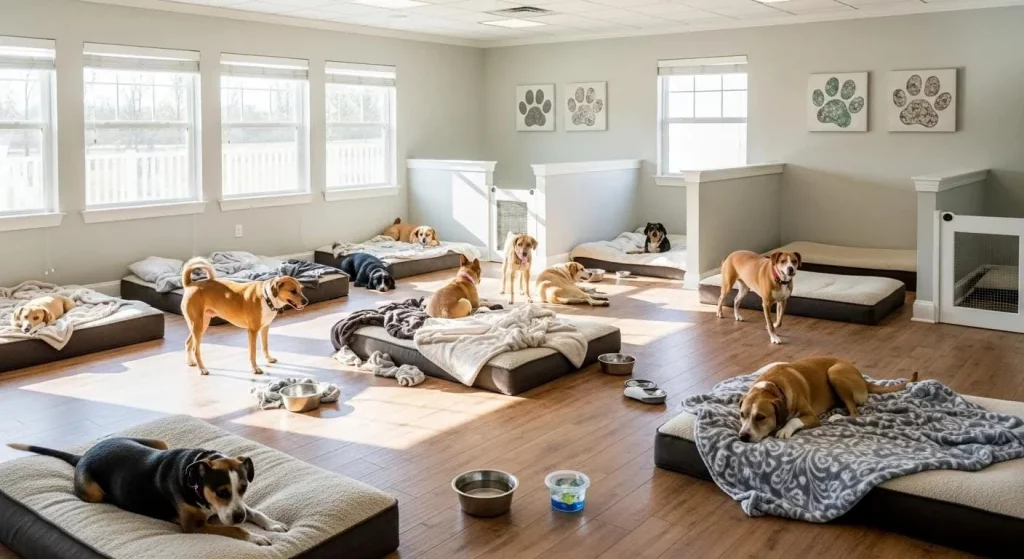
Dog Boarding
Offers a comfortable and safe overnight stay with attentive 24/7 care to make your pet feel right at home.
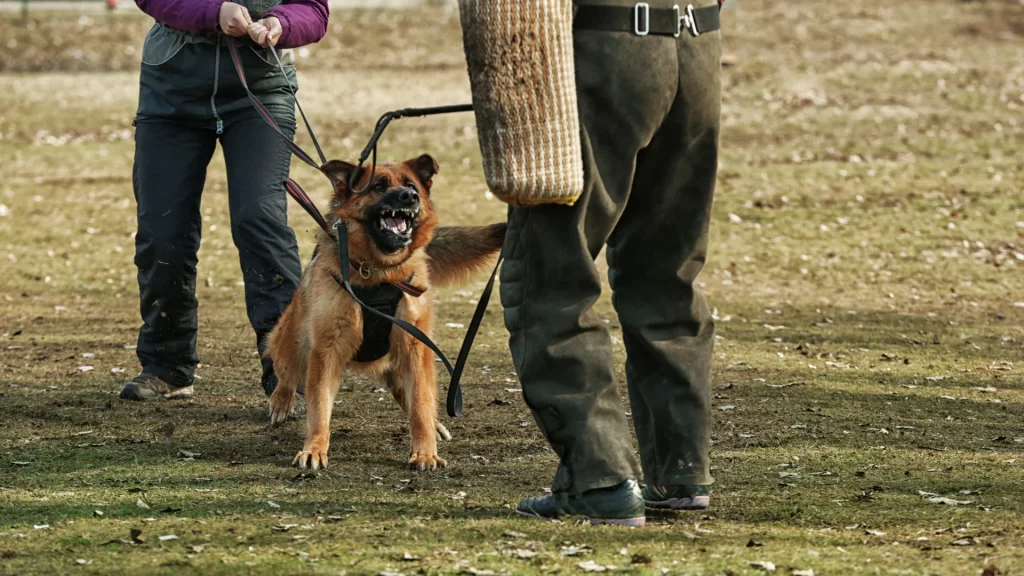
Board & Train
Combines immersive boarding with structured training to instill reliable real-world obedience and good habits.
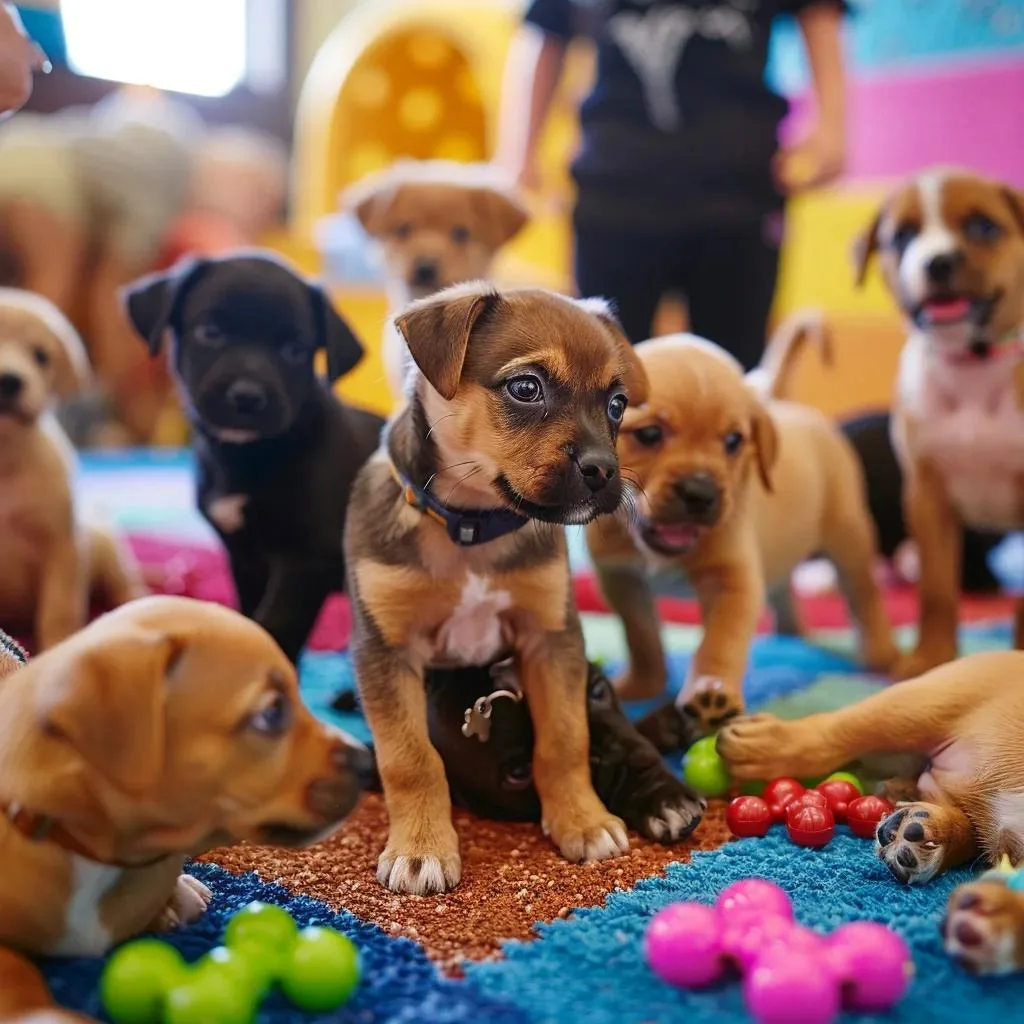
Puppy Training
Covers housebreaking, biting, and basic obedience to build a strong foundation for a well-behaved dog.
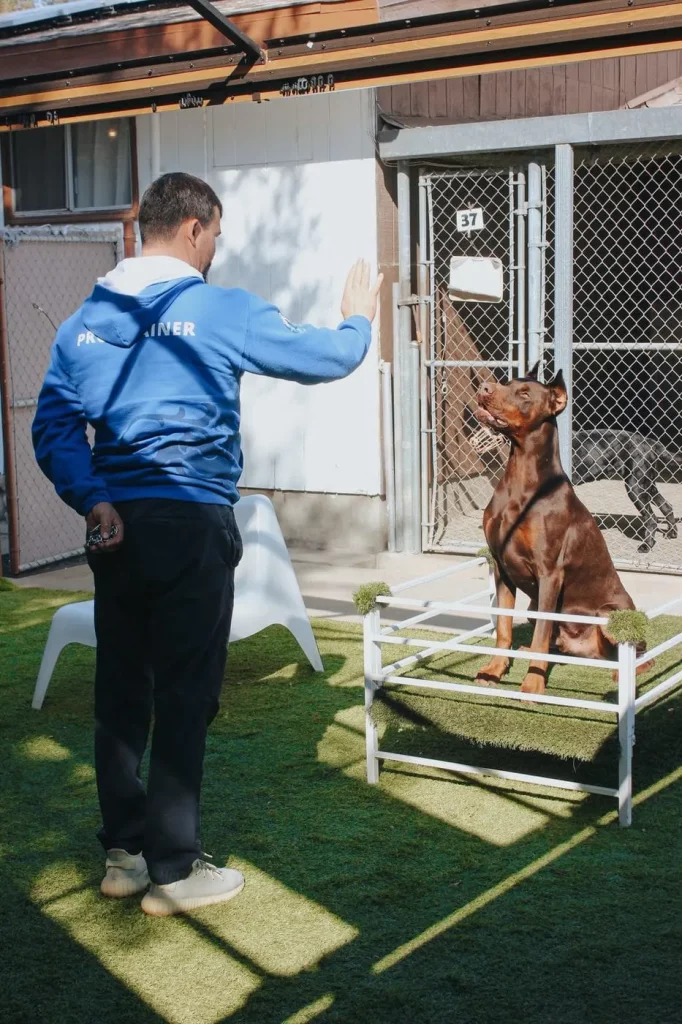
Obedience & Behavior Modification
Provides expert behavioral modification to safely manage triggers, eliminate dangerous reactivity, and build reliable control in public spaces.
Daycare / Grooming
Provides supervised daytime play and professional grooming services to keep your dog happy and clean.
Dog Boarding
Enjoy comfortable overnight boarding with attentive care, private accommodations, and plenty of supervised activity.
Board & Train
Combines comfortable boarding with structured training to build reliable real-world obedience and better everyday habits.
Puppy Training
Builds a strong foundation through house training, bite inhibition, socialization, and basic obedience.
Obedience & Behavior Modification
Addresses reactivity and challenging behaviors through structured training, trigger management, and reliable real-world obedience.
Daycare & Grooming
Combines supervised daytime activity with professional grooming and bathing services to keep your dog comfortable, active, and well cared for.
What Dog Parents Are Saying
EXCELLENTTrustindex verifies that the original source of the review is Google. This is the best dog camp my dogs love coming here. The staff are very professional.Posted on GoogleTrustindex verifies that the original source of the review is Google. What a place! My wife and I visited a dear friend's dog at Topanga Pet Resort this past weekend. When we encountered Ivy, a precious 2 year old Pitty, she seemed very relaxed and well fed. We found the boarding facility to truly feel like a resort. The surrounding trees and ample greenery make the place very serene. All the dogs that were being housed and those who were coming in for training seemed genuinely happy to be there. Additionally, we met a couple of the trainers during our visit there and they were extremely knowledgeable and compassionate towards their canine friends. If you need a place to take your furry friend, Topanga Pet Resort is the place!Posted on GoogleTrustindex verifies that the original source of the review is Google. Our experience with Topanga Pet Resort was absolutely amazing. We were thoroughly impressed with how they handled everything from start to finish. The staff was kind, professional, attentive, and genuinely cared about our pet’s comfort and well-being. The facility was clean, organized, and gave us peace of mind the entire time. Communication was excellent, and it was clear our pet was being treated with love and attention. It’s hard to find a place you can fully trust with your fur baby, but this team truly exceeded expectations. We will definitely be returning and highly recommend them to anyone looking for quality pet care!Posted on GoogleTrustindex verifies that the original source of the review is Google. This is my 2nd time using them. First time was for 6 weeks and it went so well I went back for a 3 week stay for my two dogs. They are great at training puppy's, taking care of my big dog, and most importantly training my wife on how to walk a dog ;)Posted on GoogleTrustindex verifies that the original source of the review is Google. We boarded our first dog for over 15 years when we were out of town. We're excited to begin boarding/ training there with our new rescue puppy.Posted on GoogleTrustindex verifies that the original source of the review is Google. They did such a great job! My daughters dog had been so consistent since his training! Well worth the money!Posted on GoogleTrustindex verifies that the original source of the review is Google. Amazing place to take your pet! We met with them for a meet and greet since our dog is pretty nervous around new people and has never been left, but they did everything they could to make sure he was comfortable, didn’t push his boundaries and took their time thoroughly answering all of our questions! They do a great job of meeting every individual pup’s needs and have excellent trainers on the property at all times! I can definitely feel good about bringing my dog here for boarding ❤️ prices are also very reasonable and they give lots of outside timePosted on GoogleTrustindex verifies that the original source of the review is Google. Topanga Pet Resort — absolute love🥰 I can say with full confidence: these people REALLY know what they’re doing. I’ve left my dog Chuck there several times, and every time he comes home happy, calm, and full of good energy — like he spent time with friends, not just in a boarding facility. They don’t just watch the dogs, they train them, guide them, and do it with heart. You can feel how much respect and care they give to every animal. We also use their grooming regularly, and Chuck always comes out looking like a handsome glossy boy — fresh, clean, and proud of himself. I fully trust them. This place is honestly the best thing I’ve found for my dog. Thank you for caring for Chuck as if he were your own. ❤️❤️❤️Posted on GoogleTrustindex verifies that the original source of the review is Google. We have had our dog stay here for several week long stays and have had good experiences! They have a large outdoor area for the dogs to play. They also can accommodate any food requirements and special servicesVerified by TrustindexTrustindex verified badge is the Universal Symbol of Trust. Only the greatest companies can get the verified badge who has a review score above 4.5, based on customer reviews over the past 12 months. Read more
See Exactly What Boarding & Training Costs
Boarding rates, Board & Train packages, and add-ons — all clearly outlined.
Frequently Asked Questions
Everything you need to know before your dog’s first stay or Training Assessment.
Have questions? Give us a call
+1 888-818-1622
Is resource guarding a dominance problem or a fear problem?
Resource guarding can have different motivations, including fear, anxiety, learned behavior, and individual temperament. It should not automatically be classified as a dominance issue.
Can my dog be safe around my children if they have resource guarding?
Possibly, but safety depends on the severity and specific triggers. Children should not approach a guarding dog around food, toys, chews, resting areas, or other guarded resources. A professional evaluation is especially important when children live in the home.
Will my dog grow out of resource guarding?
It’s safer not to assume they will. Guarding can remain stable, improve with appropriate training, or become more serious over time. Early management can prevent repeated incidents while you address the behavior.
How do I feed my dog safely while working on resource guarding?
Feed your dog in a quiet, controlled location where children and other pets cannot approach. Allow your dog to eat undisturbed, and avoid reaching into the bowl or deliberately taking food away to test their reaction.
What should I do if my dog guards food?
Start with management rather than confrontation. Give your dog a quiet feeding area, prevent other people or animals from approaching during meals, and seek professional guidance if the dog growls, snaps, or bites when approached.
Can positive reinforcement help with resource guarding?
Reward-based counterconditioning can be an important part of treatment. However, serious guarding cases require an individualized plan, careful management, and appropriate progression. Trying exercises that trigger an aggressive response can make the situation worse.
How long does resource guarding training take?
There is no reliable one-size-fits-all timeline. Mild guarding may improve with consistent training over weeks, while cases involving multiple triggers or a bite history can require much longer behavior modification and management.
Will resource guarding come back after training?
Old behavior can return if triggers are repeatedly mishandled or training and management stop. Continued consistency and understanding your dog’s warning signs help maintain progress.
Is board and train appropriate for resource guarding?
It can be appropriate for some dogs, but the decision depends on the severity and type of guarding. Owner participation is particularly important because the dog must ultimately behave safely around resources in the home.
Is board and train more effective than weekly sessions for resource guarding?
Neither approach is automatically better. A structured board and train environment can provide intensive practice, while private sessions allow the trainer to work directly within the owner’s normal routines. The right option depends on the dog and the household.
What happens if the behavior is too severe for typical training?
Dogs with serious bite histories, unpredictable aggression, or multiple high-risk triggers may require a more comprehensive behavior plan. Management, professional training, and veterinary involvement may all be appropriate depending on the case.
Will my dog ever be safe and trustworthy again?
Many dogs can make substantial behavioral improvements, but no responsible trainer should promise that every dog will become completely risk-free. The goal is to reduce risk, improve predictability, teach safer responses, and create management strategies that work for the individual dog and household.
Have Questions? Give Us a Call
+1 888-818-1622
Ready to Start Your Dog’s Training Program?
Have questions about our training programs? Fill out the form below and our team will get back to you shortly.