
- Home
- Dog Aggression Toward Guests
How to Stop Dog Aggression Toward Guests in Your Home
Having a dog that is aggressive with guests can completely change the way you live in your own home. You may find yourself putting your dog away before friends arrive, warning visitors not to move too quickly, or avoiding inviting people over because you are worried about what could happen.
119+
Yelp Reviews
132+
Google Reviews
6
Certified Trainers
119+
Yelp reviews
132+
Google Reviews
6
Certified Trainers

119+ reviews

Based on 132 Google Reviews
6
Certified Trainers

When a dog barks, growls, snaps, or lunges at visitors, it is not just a behavior problem. It is a safety concern, a source of stress, and often a sign that your dog does not know how to handle a situation that feels overwhelming.
At Topanga Pet Resort, we help Los Angeles dog owners understand the reasons behind aggressive reactions and create structured training plans that address the actual cause of the behavior. Our team works with dogs with different temperaments, including dogs struggling with fear, reactivity, guarding behaviors, and guest-related aggression.
The goal is not simply to stop barking at the door. The goal is to help your dog develop better coping skills so guests can enter your home safely and calmly.
Why Dogs Become Aggressive With Guests
Many owners assume their dog is being “bad” or trying to dominate visitors, but aggression is usually a communication response. Your dog is reacting because they feel threatened, uncertain, overstimulated, or responsible for controlling the situation.
Understanding why your dog reacts is the first step toward changing the behavior.
Fear, Territorial, Resource, or Protective Triggers
Dogs can become aggressive with guests for several different reasons:
Fear-based aggression
Some dogs react because unfamiliar people entering their space feel scary or unpredictable. Barking, backing away, growling, or snapping may be attempts to create distance.
Territorial behavior
Your home is your dog’s environment. Some dogs feel responsible for protecting their space when someone walks through the door.
Resource guarding
A dog may become defensive around food, toys, furniture, their owner, or specific areas of the home.
Protective behavior
Some dogs become overly focused on protecting family members, especially when they believe someone is approaching their owner.
The same outward behavior can have very different causes. That is why effective training starts with understanding what is happening underneath the reaction.
The Three Types of Guest Aggression Explained
Not all dogs who react to visitors have the same problem. A professional evaluation helps identify the pattern behind the behavior.
Fear-Based Aggression Toward Visitors
A fearful dog may appear aggressive because they are trying to make a person move away. Common signs include: barking when guests enter, hiding and then rushing forward, growling when someone approaches. snapping when someone reaches toward them. These dogs often need confidence-building exercises and controlled exposure rather than corrections.
Territorial Guest Aggression
Dogs with territorial reactions often become triggered by: the doorbell, people entering the home, strangers approaching their owner, guests moving around the house. The dog may believe they are responsible for handling the visitor. Training focuses on teaching the dog that guests are not a threat and that the owner manages the situation.
Resource Guarding Around Guests
Some dogs react when guests approach: their food bowl, their bed, their favorite toy, their owner. Resource guarding requires careful training because forcing interactions can increase stress and make reactions stronger.
Why Punishment Usually Makes Dog Aggression Worse
When a dog growls at a guest, some owners immediately correct the behavior. While this may stop the noise temporarily, it often does not solve the underlying problem.
A growl is communication.
If a dog learns that growling gets punished, they may stop warning and move faster to more serious behaviors.
Root Cause Matters More Than Surface Behavior
Successful guest aggression training focuses on:
- identifying triggers
- changing emotional responses
- building impulse control
- teaching alternative behaviors
The goal is not to suppress your dog’s communication. The goal is to change why your dog feels the need to react.
Immediate Safety Steps You Should Take Today
Before changing your dog’s behavior, you need a management plan that prevents dangerous situations.
Training takes time. Safety cannot wait.
If your dog bites visitors, lunges at strangers in your home, or shows serious warning signs, start with these steps:
Create Distance Before Guests Arrive
Do not wait until your dog is already overwhelmed. Use:
- baby gates
- separate rooms
- crates if your dog is comfortable using one
- leashes during introductions
Management is not a failure. It gives your dog the space needed to learn new behaviors safely.
Avoid Forced Greetings
Many owners make the mistake of pushing their dog toward visitors and saying, “See, they are friendly.”
A nervous or reactive dog does not learn confidence through pressure. They learn when they have control, space, and positive experiences.
Tell Guests How to Behave
Ask visitors to:
- avoid direct eye contact at first
- avoid reaching over your dog’s head
- allow your dog to approach at their own pace
- follow your instructions during introductions
Small changes can prevent situations from escalating.
How a Professional Evaluation Identifies the Real Cause
Guest aggression can look similar from the outside, but the solution depends on the individual dog.
During an evaluation, professional trainers look at:
- your dog’s body language
- previous experiences
- specific triggers
- intensity of reactions
- recovery time after stress
- behavior around different types of visitors
A dog that barks from fear requires a different approach than a dog guarding their owner or controlling access to the home.
At Topanga Pet Resort, our trainers focus on understanding the full picture before creating a training plan.
What an Effective Guest Aggression Training Program Looks Like
Changing aggressive behavior requires consistency, structure, and realistic expectations.
A professional program may include:
Behavior Assessment
The first step is understanding why your dog reacts and what situations create the strongest response.
Controlled Training Exercises
Dogs learn through carefully managed situations where they can practice new responses without being pushed beyond their comfort level.
Impulse Control Training
Your dog learns skills such as:
- focusing on you
- staying calm around distractions
- waiting instead of reacting
- responding to commands during stressful moments
Real-Life Practice
The goal is not a dog that behaves only during training sessions. The goal is a dog that can handle everyday situations in your home.
Why Topanga Pet Resort Approach Works for This
Topanga Pet Resort provides professional dog boarding and training in Los Angeles, CA, serving families throughout Topanga Canyon, Woodland Hills, Calabasas, Malibu, Santa Monica, Pacific Palisades, Sherman Oaks, and surrounding communities.
Our approach combines structured training, individualized attention, and a safe environment where dogs can build better habits.
50+
50+ Years of Combined Experience
6
Certified trainers
5–6
Hours of Supervised Play
6.5
Acres to explore
our team understands that every dog has a different reason behind their behavior.
We do not treat every aggressive reaction the same. We look at your dog’s personality, history, and triggers to create a training plan designed around real improvement.
Whether your dog growls at visitors, barks at the door, or has a history of stronger reactions, professional support can help you move toward safer, calmer interactions.
How Long Does It Take to Change Guest Aggression?
Every dog is different.
Some dogs improve quickly once the trigger is identified and training begins. Others require longer behavior modification, especially if the aggression has been practiced for years.
Factors that affect progress include:
- how long the behavior has existed
- severity of reactions
- consistency at home
- your dog’s temperament
- the training approach used
Professional guidance helps create realistic expectations and prevents mistakes that can slow progress.
Ready to Help Your Dog Feel More Comfortable Around Guests?
You should not have to choose between having a dog you love and feeling comfortable inviting people into your home.
A professional behavior evaluation can help you understand what is causing your dog’s reactions and what steps will create meaningful change.
Contact Topanga Pet Resort today to schedule a dog behavior evaluation and start building safer interactions with guests.
Comprehensive dog boarding & training at Topanga Pet Resort
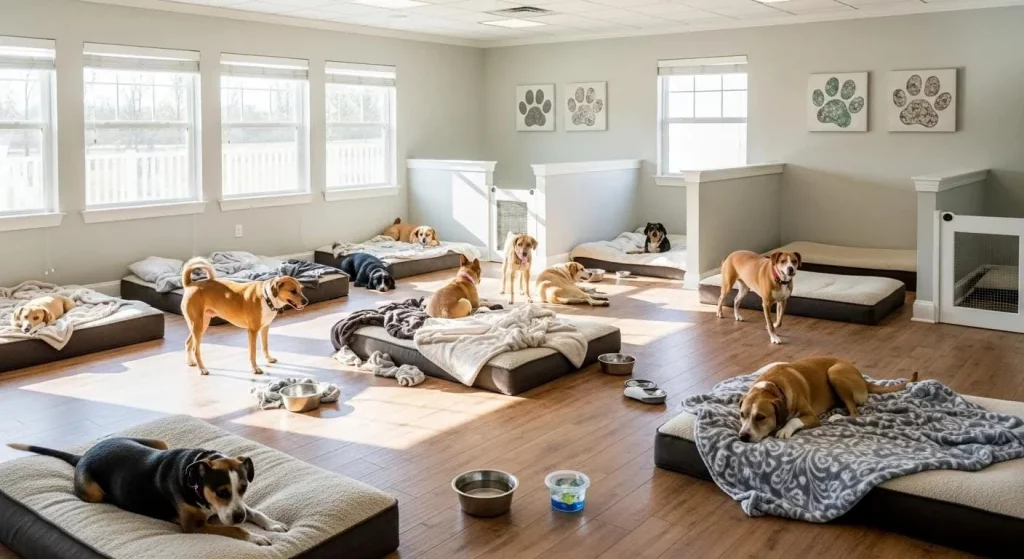
Dog Boarding
Offers a comfortable and safe overnight stay with attentive 24/7 care to make your pet feel right at home.
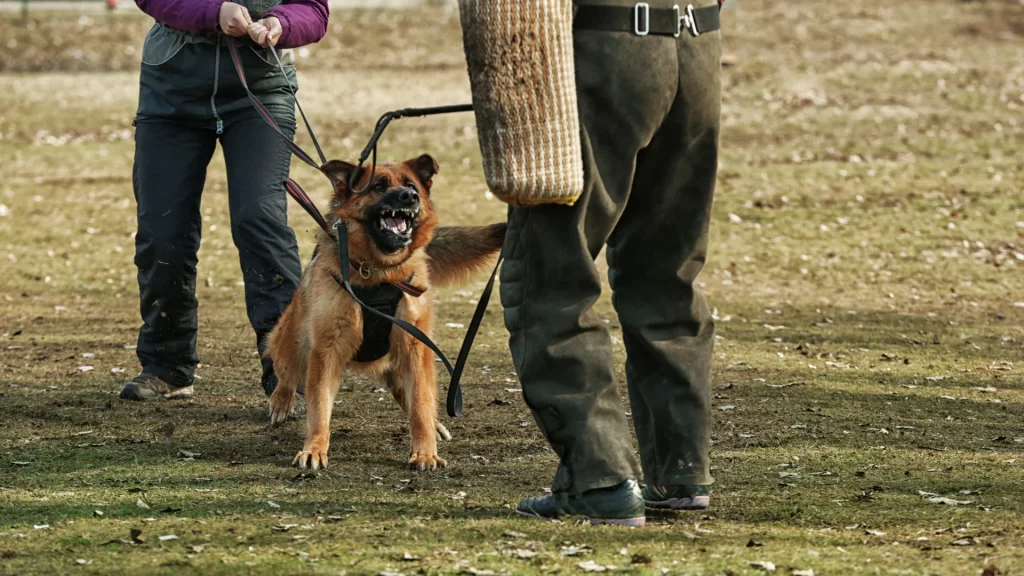
Board & Train
Combines immersive boarding with structured training to instill reliable real-world obedience and good habits.
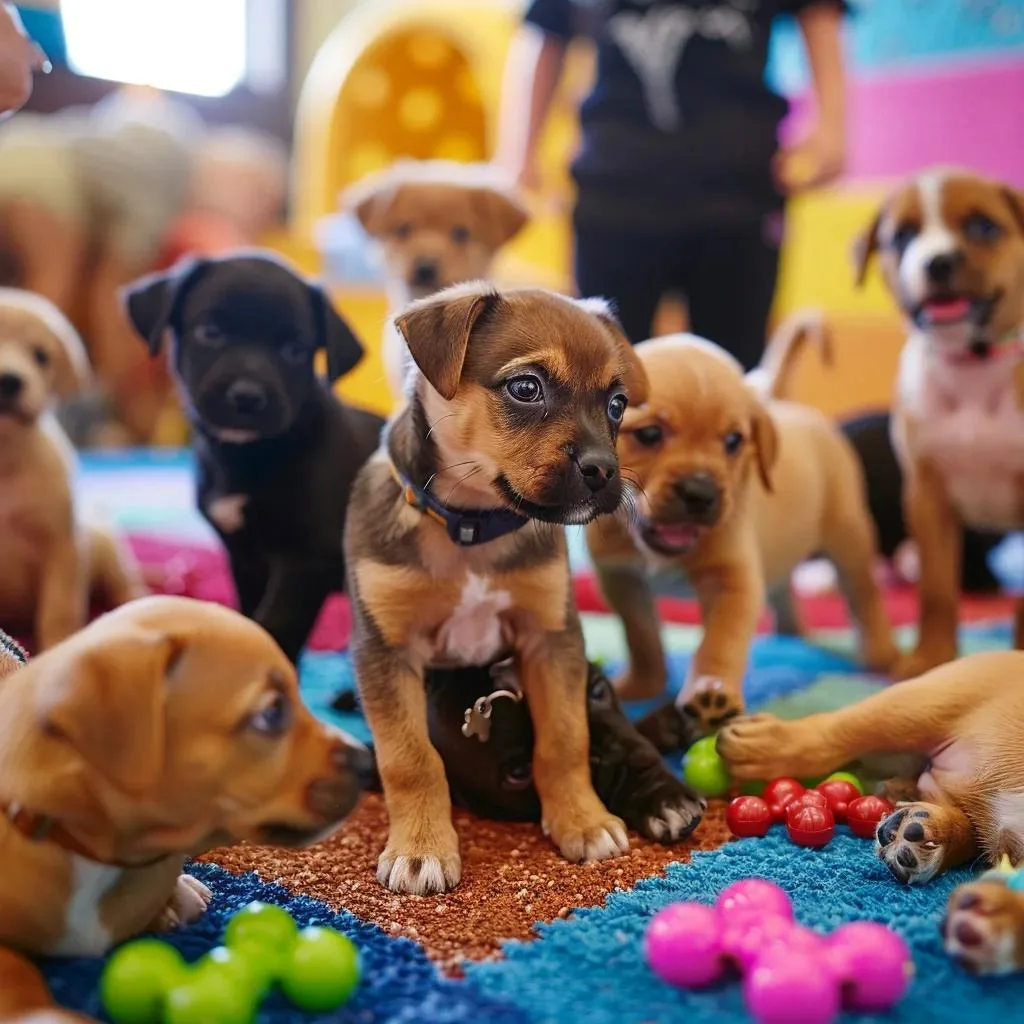
Puppy Training
Covers housebreaking, biting, and basic obedience to build a strong foundation for a well-behaved dog.
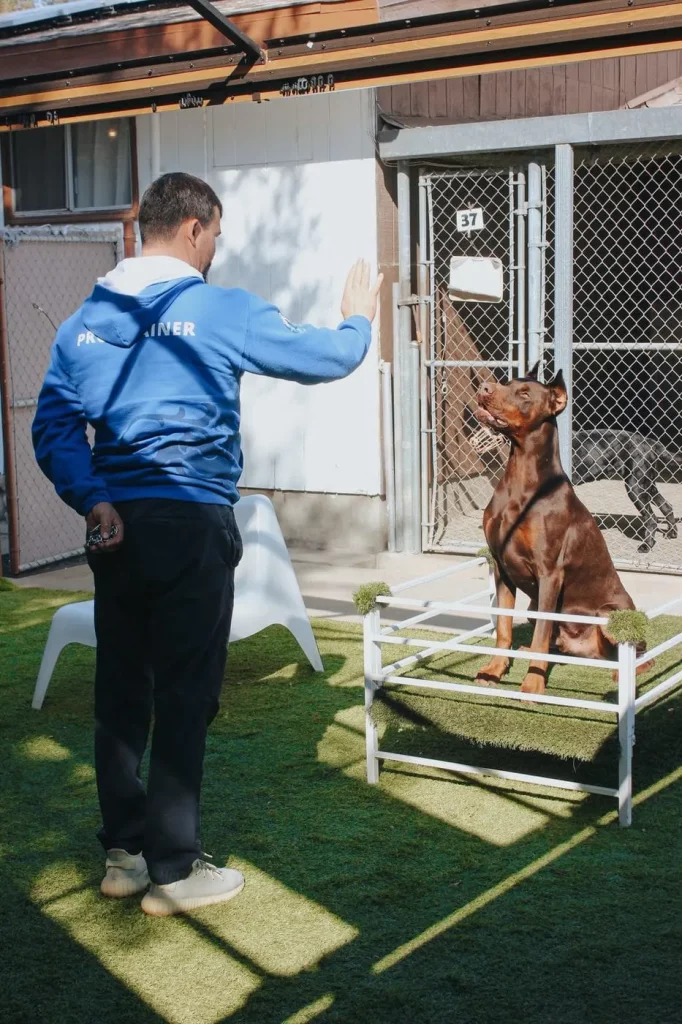
Obedience & Behavior Modification
Provides expert behavioral modification to safely manage triggers, eliminate dangerous reactivity, and build reliable control in public spaces.
Daycare / Grooming
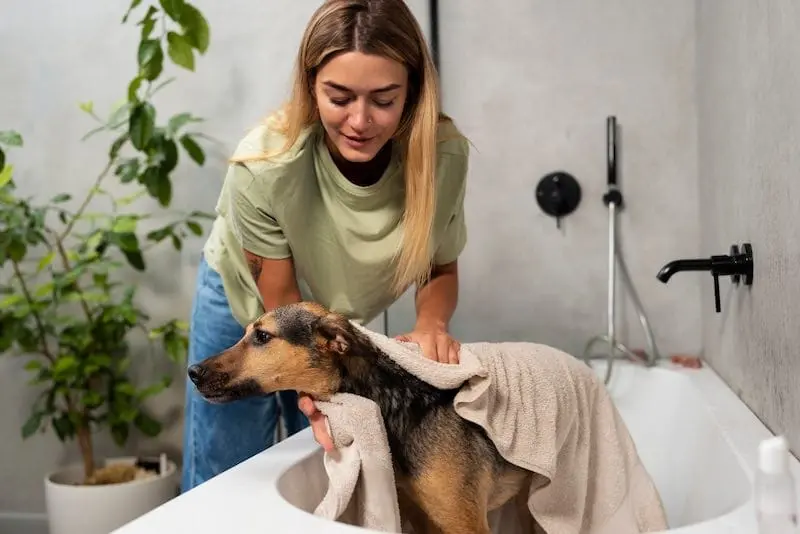
Provides supervised daytime play and professional grooming services to keep your dog happy and clean.
Dog Boarding
Enjoy comfortable overnight boarding with attentive care, private accommodations, and plenty of supervised activity.
Board & Train
Combines comfortable boarding with structured training to build reliable real-world obedience and better everyday habits.
Puppy Training
Builds a strong foundation through house training, bite inhibition, socialization, and basic obedience.
Obedience & Behavior Modification
Addresses reactivity and challenging behaviors through structured training, trigger management, and reliable real-world obedience.
Daycare & Grooming
Combines supervised daytime activity with professional grooming and bathing services to keep your dog comfortable, active, and well cared for.
What Dog Parents Are Saying
EXCELLENTTrustindex verifies that the original source of the review is Google. This is the best dog camp my dogs love coming here. The staff are very professional.Posted on GoogleTrustindex verifies that the original source of the review is Google. What a place! My wife and I visited a dear friend's dog at Topanga Pet Resort this past weekend. When we encountered Ivy, a precious 2 year old Pitty, she seemed very relaxed and well fed. We found the boarding facility to truly feel like a resort. The surrounding trees and ample greenery make the place very serene. All the dogs that were being housed and those who were coming in for training seemed genuinely happy to be there. Additionally, we met a couple of the trainers during our visit there and they were extremely knowledgeable and compassionate towards their canine friends. If you need a place to take your furry friend, Topanga Pet Resort is the place!Posted on GoogleTrustindex verifies that the original source of the review is Google. Our experience with Topanga Pet Resort was absolutely amazing. We were thoroughly impressed with how they handled everything from start to finish. The staff was kind, professional, attentive, and genuinely cared about our pet’s comfort and well-being. The facility was clean, organized, and gave us peace of mind the entire time. Communication was excellent, and it was clear our pet was being treated with love and attention. It’s hard to find a place you can fully trust with your fur baby, but this team truly exceeded expectations. We will definitely be returning and highly recommend them to anyone looking for quality pet care!Posted on GoogleTrustindex verifies that the original source of the review is Google. This is my 2nd time using them. First time was for 6 weeks and it went so well I went back for a 3 week stay for my two dogs. They are great at training puppy's, taking care of my big dog, and most importantly training my wife on how to walk a dog ;)Posted on GoogleTrustindex verifies that the original source of the review is Google. We boarded our first dog for over 15 years when we were out of town. We're excited to begin boarding/ training there with our new rescue puppy.Posted on GoogleTrustindex verifies that the original source of the review is Google. They did such a great job! My daughters dog had been so consistent since his training! Well worth the money!Posted on GoogleTrustindex verifies that the original source of the review is Google. Amazing place to take your pet! We met with them for a meet and greet since our dog is pretty nervous around new people and has never been left, but they did everything they could to make sure he was comfortable, didn’t push his boundaries and took their time thoroughly answering all of our questions! They do a great job of meeting every individual pup’s needs and have excellent trainers on the property at all times! I can definitely feel good about bringing my dog here for boarding ❤️ prices are also very reasonable and they give lots of outside timePosted on GoogleTrustindex verifies that the original source of the review is Google. Topanga Pet Resort — absolute love🥰 I can say with full confidence: these people REALLY know what they’re doing. I’ve left my dog Chuck there several times, and every time he comes home happy, calm, and full of good energy — like he spent time with friends, not just in a boarding facility. They don’t just watch the dogs, they train them, guide them, and do it with heart. You can feel how much respect and care they give to every animal. We also use their grooming regularly, and Chuck always comes out looking like a handsome glossy boy — fresh, clean, and proud of himself. I fully trust them. This place is honestly the best thing I’ve found for my dog. Thank you for caring for Chuck as if he were your own. ❤️❤️❤️Posted on GoogleTrustindex verifies that the original source of the review is Google. We have had our dog stay here for several week long stays and have had good experiences! They have a large outdoor area for the dogs to play. They also can accommodate any food requirements and special servicesVerified by TrustindexTrustindex verified badge is the Universal Symbol of Trust. Only the greatest companies can get the verified badge who has a review score above 4.5, based on customer reviews over the past 12 months. Read more
See Exactly What Boarding & Training Costs
Boarding rates, Board & Train packages, and add-ons — all clearly outlined.
Frequently Asked Questions
Everything you need to know before your dog’s first stay or Training Assessment.
Have questions? Give us a call
+1 888-818-1622
What causes behavioral problems in dogs?
Behavioral issues can develop from many factors, including fear, anxiety, genetics, past experiences, lack of socialization, stress, or environmental triggers. A professional assessment helps identify the reasons behind your dog’s behavior.
Is behavior modification different from training?
Yes. Traditional training often focuses on obedience and commands, while behavior modification addresses emotional responses, triggers, fears, and deeper behavioral challenges.
How long does behavior modification take?
The timeline depends on the dog’s behavior, history, triggers, environment, and consistency of training. Some dogs may show progress quickly, while others require a longer structured approach.
Can behavioral issues be cured or just managed?
Many behavioral issues can improve significantly with the right approach, but some dogs may require ongoing management. The goal is to create safer, more predictable behaviors and improve quality of life.
Is my anxious or reactive dog dangerous?
Not necessarily. Reactivity and anxiety do not always mean a dog is dangerous. A professional evaluation helps determine what is causing the behavior and what training approach is appropriate.
Have Questions? Give Us a Call
+1 888-818-1622
Ready to Start Your Dog’s Training Program?
Have questions about our training programs? Fill out the form below and our team will get back to you shortly.