
- Home
- Dog Separation Anxiety
Dog Separation Anxiety Signs Severity and Real Solutions
At Topanga Pet Resort, we help dog owners throughout Los Angeles understand why separation anxiety develops, how to recognize its severity, and what treatment approaches produce lasting improvement. Every dog is different, which is why successful behavior plans begin with understanding the individual dog rather than relying on one-size-fits-all solutions.
119+
Yelp Reviews
132+
Google Reviews
6
Certified Trainers
119+
Yelp reviews
132+
Google Reviews
6
Certified Trainers

119+ reviews

Based on 132 Google Reviews
6
Certified Trainers

Few behavior problems are as emotionally exhausting as dog separation anxiety. You leave for work, run errands, or even step outside for a few minutes, only to come home to barking, damaged furniture, scratched doors, or worried messages from neighbors.
If your dog becomes distressed every time you leave, you’re not dealing with stubbornness or bad manners. You’re likely seeing a genuine emotional response that can affect both your dog’s well-being and your daily life.
What Separation Anxiety Actually Is
Many owners assume their dog simply misses them, but true separation anxiety is much more than affection or attachment.
It is a panic response that occurs when a dog cannot cope with being separated from a specific person or left alone.
More Than Missing You
Dogs with separation anxiety often experience genuine emotional distress rather than boredom. When left alone, they may: bark or howl continuously, scratch at doors or windows, destroy furniture near exits, drool excessively, pace for long periods, have accidents despite being house trained, refuse food or treats while alone. These behaviors are attempts to cope with anxiety, not acts of revenge or disobedience.
How to Tell Separation Anxiety from Simple Boredom
Many dogs become restless when left alone, but boredom and separation anxiety require different solutions.
Signs of Boredom
A bored dog may: chew available toys, nap between activities, become more active later in the day, improve with additional exercise. Their behavior usually decreases once they have enough physical and mental stimulation.
Signs of Separation Anxiety
A dog with separation anxiety often: begins reacting within minutes of you leaving, becomes highly distressed before you even walk out the door, ignores food while alone. focuses on escaping or finding you. struggles to calm down even after extended periods. The timing and intensity of these behaviors often reveal the difference.
Severity Levels and What They Look Like
Not every case of separation anxiety is equally serious.
Understanding severity helps determine the most appropriate treatment plan.
Mild Separation Anxiety
Dogs may: whine briefly, pace for a few minutes, settle after a short period, bark occasionally. These cases often respond well to structured training and routine adjustments.
Moderate Separation Anxiety
Dogs may: bark for extended periods, scratch doors, destroy household items, remain anxious throughout much of the owner's absence. Professional guidance is often recommended to prevent the behavior from becoming more severe.
Severe Separation Anxiety
A severe separation anxiety dog may: panic immediately after departure, attempt to break through doors or windows, injure themselves trying to escape, vocalize continuously, refuse to eat or rest, remain highly distressed until the owner returns. These cases usually require a comprehensive behavior modification plan and, in some situations, collaboration with a veterinarian.
Common Mistakes That Accidentally Make Separation Anxiety Worse
Owners naturally want to comfort their dogs, but some well-intended habits can unintentionally reinforce anxiety.
Making Departures Emotional
Lengthy goodbyes can increase anticipation and stress. Keeping departures calm and predictable often helps reduce emotional build-up.
Rushing Back Home
Returning immediately every time your dog vocalizes may accidentally teach them that barking brings you back. Training focuses on helping dogs build confidence while alone rather than rewarding anxious behavior.
Expecting Immediate Results
Treating separation anxiety is a gradual process. Progress is usually measured in small improvements rather than overnight transformation.
When Medication and Training Work Best Together
Some dogs benefit from medication as part of a larger treatment plan.
Medication alone rarely teaches new coping skills, but it may reduce anxiety enough for behavior modification to become more effective.
If your dog’s anxiety is severe, working with both a qualified trainer and your veterinarian can provide the best outcome.
What Actually Works Based on Severity
Successful treatment depends on matching the approach to the individual dog.
Behavior Modification
Professional behavior plans often include:
- gradual independence exercises
- desensitization to departure cues
- confidence-building activities
- impulse control training
- predictable routines
These techniques help dogs learn that being alone is safe.
Lifestyle Improvements
Many anxious dogs benefit from:
- increased daily exercise
- mental enrichment
- structured schedules
- interactive feeding activities
- calm resting routines
Meeting both physical and emotional needs creates a stronger foundation for training.
Owner Coaching
Consistency at home is essential.
Learning how to respond before leaving, during departures, and after returning helps reinforce healthier behavior patterns.
When Daycare or Boarding Can Help, and When It May Not
Many owners ask whether daycare or boarding is the right answer.
The honest answer depends on the individual dog.
When Daycare Can Be Beneficial
Dog daycare may help when boredom contributes to the behavior or when a dog enjoys spending time around people and other dogs in a structured environment. Additional exercise and enrichment can reduce stress for some dogs.
When Boarding May Require Preparation
Dogs experiencing severe separation anxiety may initially struggle in any unfamiliar environment. A gradual introduction, personalized care, and professional guidance often make the transition much smoother. At Topanga Pet Resort, every dog receives individualized attention, allowing us to adapt our approach based on each dog’s comfort level rather than forcing them into unfamiliar situations too quickly.
Why Los Angeles Dog Owners Choose Topanga Pet Resort
Topanga Pet Resort provides professional dog training and boarding in the peaceful hills of Topanga Canyon, serving families throughout Los Angeles, Woodland Hills, Calabasas, Malibu, Santa Monica, Pacific Palisades, Sherman Oaks, Westwood, and surrounding communities.
Our individualized programs are built around each dog’s personality, behavior, and learning pace.
50+
50+ Years of Combined Experience
6
Certified trainers
5–6
Hours of Supervised Play
6.5
Acres to explore
we understand that anxiety-related behaviors require patience, consistency, and thoughtful planning.
With more than 50 years of combined experience, 6 certified trainers, and a spacious indoor and outdoor training environment with scenic Los Angeles country views, we combine professional behavior training, premium care, daily enrichment, and 5 to 6 hours of supervised activity to help anxious dogs build confidence and feel more secure in everyday situations.
Help Your Dog Feel More Comfortable When You’re Away
If your dog has separation anxiety, you’re not alone, and your dog isn’t trying to make life difficult.
With the right evaluation and a structured training plan, many dogs learn to become calmer, more independent, and more comfortable when left alone.
Schedule a Separation Anxiety Consultation at Topanga Pet Resort to discover the best path forward for your dog’s individual needs.
Comprehensive dog boarding & training at Topanga Pet Resort
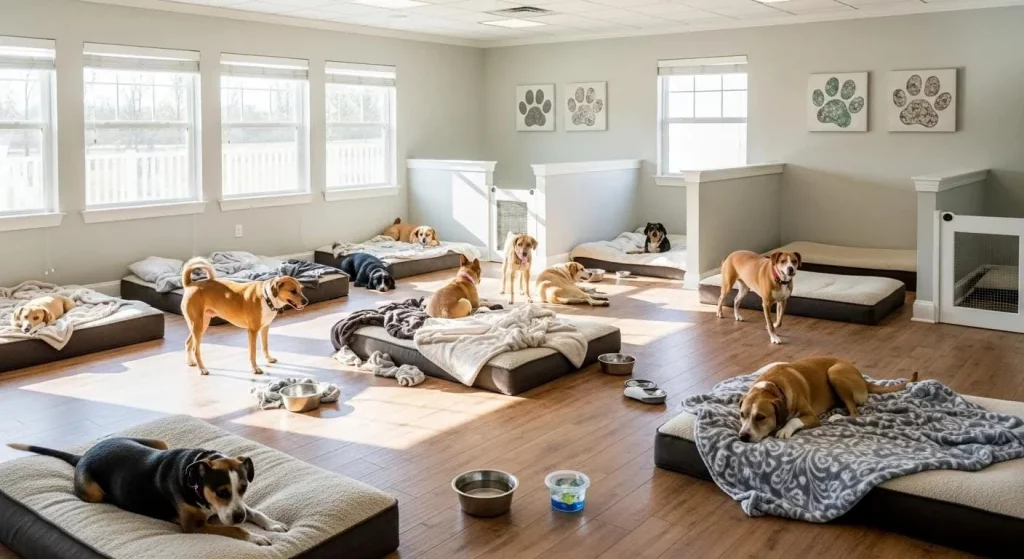
Dog Boarding
Offers a comfortable and safe overnight stay with attentive 24/7 care to make your pet feel right at home.
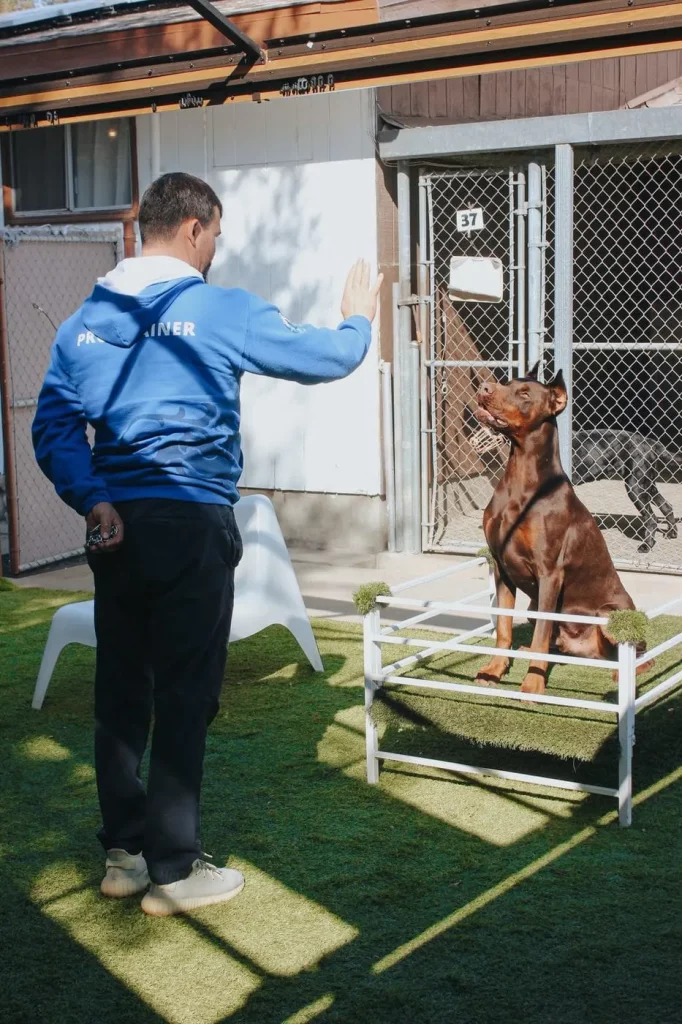
Board & Train
Combines immersive boarding with structured training to instill reliable real-world obedience and good habits.

Puppy Training
Covers housebreaking, biting, and basic obedience to build a strong foundation for a well-behaved dog.
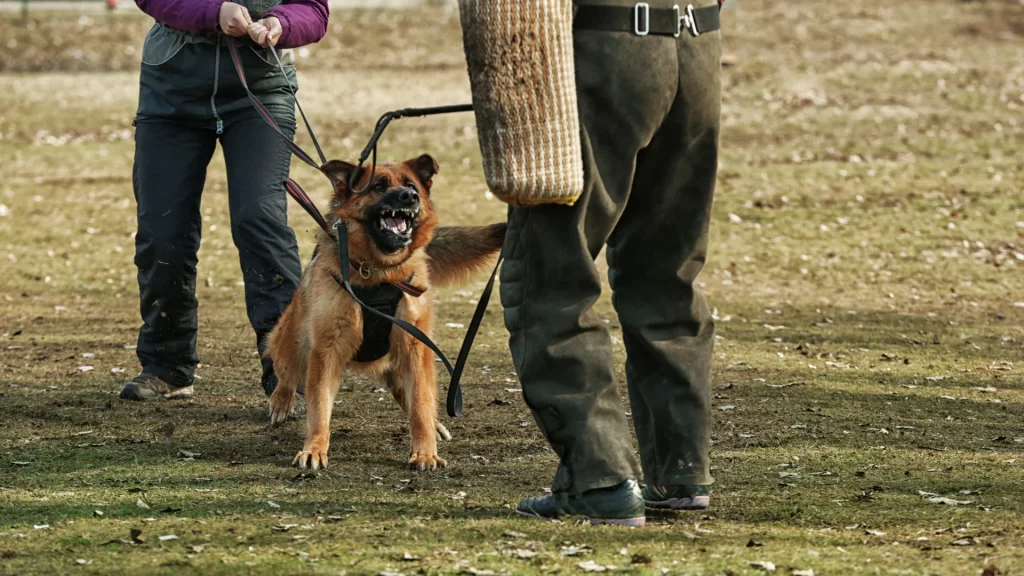
Obedience & Behavior Modification
Provides expert behavioral modification to safely manage triggers, eliminate dangerous reactivity, and build reliable control in public spaces.
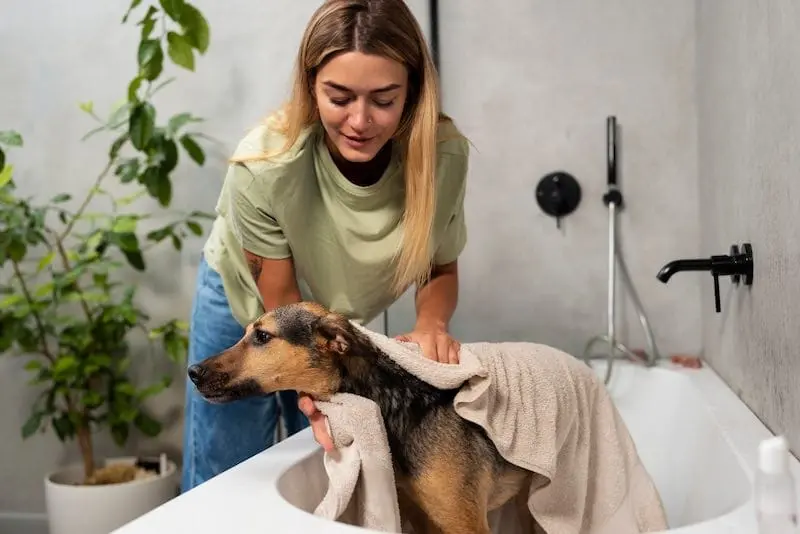
Daycare / Grooming
Provides supervised daytime play and professional grooming services to keep your dog happy and clean.
Dog Boarding
Enjoy comfortable overnight boarding with attentive care, private accommodations, and plenty of supervised activity.
Board & Train
Combines comfortable boarding with structured training to build reliable real-world obedience and better everyday habits.
Puppy Training
Builds a strong foundation through house training, bite inhibition, socialization, and basic obedience.
Obedience & Behavior Modification
Addresses reactivity and challenging behaviors through structured training, trigger management, and reliable real-world obedience.
Daycare & Grooming
Combines supervised daytime activity with professional grooming and bathing services to keep your dog comfortable, active, and well cared for.
What Dog Parents Are Saying
EXCELLENTTrustindex verifies that the original source of the review is Google. This is the best dog camp my dogs love coming here. The staff are very professional.Posted on GoogleTrustindex verifies that the original source of the review is Google. What a place! My wife and I visited a dear friend's dog at Topanga Pet Resort this past weekend. When we encountered Ivy, a precious 2 year old Pitty, she seemed very relaxed and well fed. We found the boarding facility to truly feel like a resort. The surrounding trees and ample greenery make the place very serene. All the dogs that were being housed and those who were coming in for training seemed genuinely happy to be there. Additionally, we met a couple of the trainers during our visit there and they were extremely knowledgeable and compassionate towards their canine friends. If you need a place to take your furry friend, Topanga Pet Resort is the place!Posted on GoogleTrustindex verifies that the original source of the review is Google. Our experience with Topanga Pet Resort was absolutely amazing. We were thoroughly impressed with how they handled everything from start to finish. The staff was kind, professional, attentive, and genuinely cared about our pet’s comfort and well-being. The facility was clean, organized, and gave us peace of mind the entire time. Communication was excellent, and it was clear our pet was being treated with love and attention. It’s hard to find a place you can fully trust with your fur baby, but this team truly exceeded expectations. We will definitely be returning and highly recommend them to anyone looking for quality pet care!Posted on GoogleTrustindex verifies that the original source of the review is Google. This is my 2nd time using them. First time was for 6 weeks and it went so well I went back for a 3 week stay for my two dogs. They are great at training puppy's, taking care of my big dog, and most importantly training my wife on how to walk a dog ;)Posted on GoogleTrustindex verifies that the original source of the review is Google. We boarded our first dog for over 15 years when we were out of town. We're excited to begin boarding/ training there with our new rescue puppy.Posted on GoogleTrustindex verifies that the original source of the review is Google. They did such a great job! My daughters dog had been so consistent since his training! Well worth the money!Posted on GoogleTrustindex verifies that the original source of the review is Google. Amazing place to take your pet! We met with them for a meet and greet since our dog is pretty nervous around new people and has never been left, but they did everything they could to make sure he was comfortable, didn’t push his boundaries and took their time thoroughly answering all of our questions! They do a great job of meeting every individual pup’s needs and have excellent trainers on the property at all times! I can definitely feel good about bringing my dog here for boarding ❤️ prices are also very reasonable and they give lots of outside timePosted on GoogleTrustindex verifies that the original source of the review is Google. Topanga Pet Resort — absolute love🥰 I can say with full confidence: these people REALLY know what they’re doing. I’ve left my dog Chuck there several times, and every time he comes home happy, calm, and full of good energy — like he spent time with friends, not just in a boarding facility. They don’t just watch the dogs, they train them, guide them, and do it with heart. You can feel how much respect and care they give to every animal. We also use their grooming regularly, and Chuck always comes out looking like a handsome glossy boy — fresh, clean, and proud of himself. I fully trust them. This place is honestly the best thing I’ve found for my dog. Thank you for caring for Chuck as if he were your own. ❤️❤️❤️Posted on GoogleTrustindex verifies that the original source of the review is Google. We have had our dog stay here for several week long stays and have had good experiences! They have a large outdoor area for the dogs to play. They also can accommodate any food requirements and special servicesVerified by TrustindexTrustindex verified badge is the Universal Symbol of Trust. Only the greatest companies can get the verified badge who has a review score above 4.5, based on customer reviews over the past 12 months. Read more
See Exactly What Boarding & Training Costs
Boarding rates, Board & Train packages, and add-ons — all clearly outlined.
Frequently Asked Questions
Everything you need to know before your dog’s first stay or Training Assessment.
Have questions? Give us a call
+1 888-818-1622
What causes behavioral problems in dogs?
Behavioral issues can develop from many factors, including fear, anxiety, genetics, past experiences, lack of socialization, stress, or environmental triggers. A professional assessment helps identify the reasons behind your dog’s behavior.
Is behavior modification different from training?
Yes. Traditional training often focuses on obedience and commands, while behavior modification addresses emotional responses, triggers, fears, and deeper behavioral challenges.
How long does behavior modification take?
The timeline depends on the dog’s behavior, history, triggers, environment, and consistency of training. Some dogs may show progress quickly, while others require a longer structured approach.
Can behavioral issues be cured or just managed?
Many behavioral issues can improve significantly with the right approach, but some dogs may require ongoing management. The goal is to create safer, more predictable behaviors and improve quality of life.
Is my anxious or reactive dog dangerous?
Not necessarily. Reactivity and anxiety do not always mean a dog is dangerous. A professional evaluation helps determine what is causing the behavior and what training approach is appropriate.
Have Questions? Give Us a Call
+1 888-818-1622
Ready to Start Your Dog’s Training Program?
Have questions about our training programs? Fill out the form below and our team will get back to you shortly.